A domain name appears on proposals, vehicles, business cards, search results and email addresses. It can be changed later, but that requires redirects, communication and often sacrifices brand value. A good name is therefore more than available: it is easy to pronounce, logical to spell, appropriate for the market and properly protected.
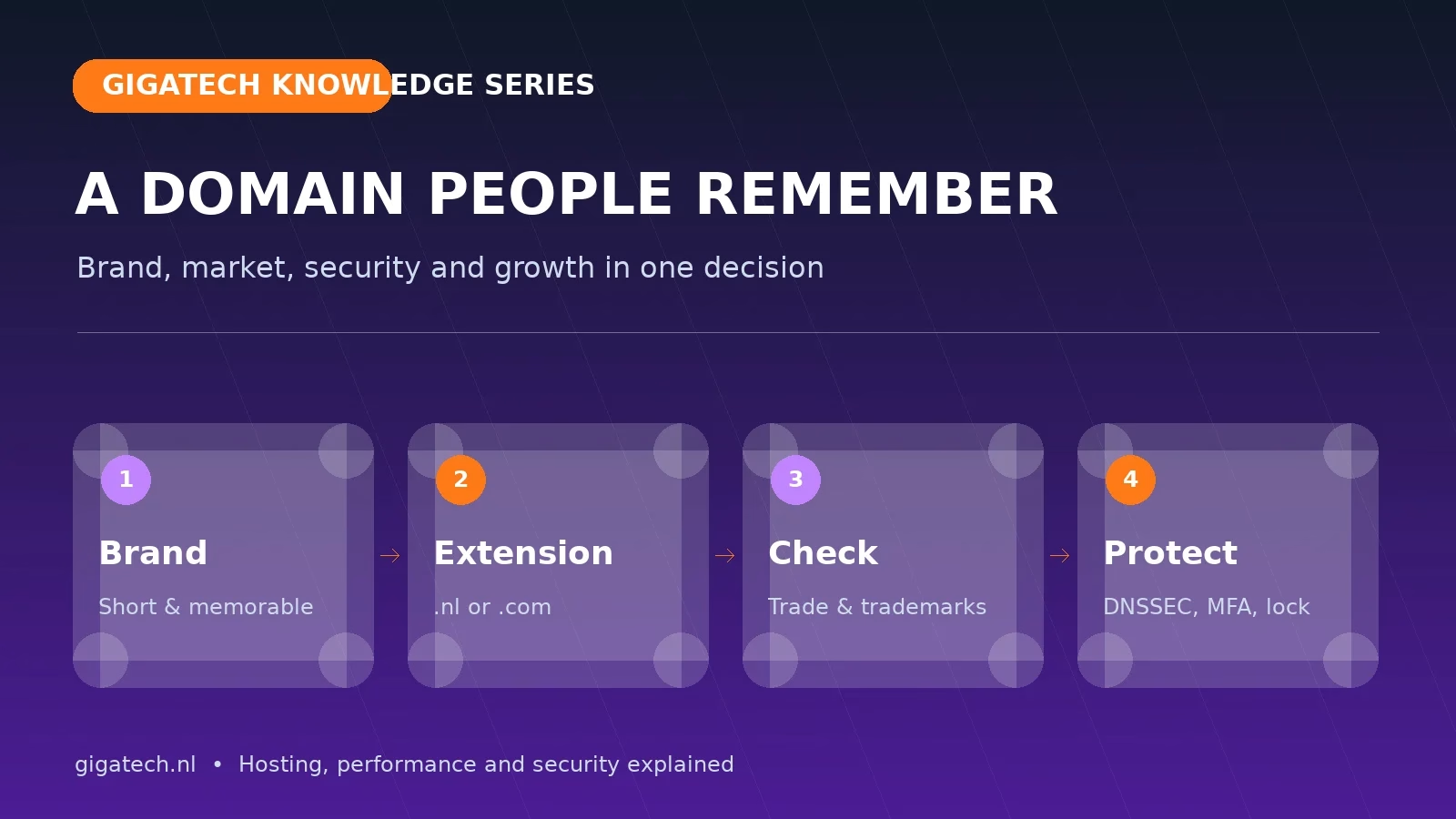
Optimise for memory, not a pile of keywords
The company or brand name is usually the strongest foundation. Keep it short, avoid confusing numbers and hyphens and say it aloud. Can someone type it correctly after one telephone conversation? An exact keyword in the domain does not replace useful content, authority and sound technology. A recognisable brand can earn more clicks and returning visitors over time.
.nl or .com?
For an organisation primarily serving the Netherlands, .nl is logical and recognisable. A country-code extension is also a strong geographic signal for users and search engines. .com is generic and often fits international ambitions. If the Netherlands is your first market but expansion is planned, register both where practical and select one primary domain. Permanently redirect the other; do not publish duplicate sites on two domains without a strategy.
Check names and rights before registration
Availability does not automatically mean use is legally sensible. Search the Dutch Trade Register, relevant trademark registers and search engines, inspect social handles and check similar spellings. Obtain legal advice when trademark rights are uncertain. Register the domain in the name of the actual organisation, not solely under a web designer or intermediary.
Defensive registration without filling a warehouse
Register the most important alternative extension and one or two obvious misspellings when abuse could cause real harm. Do not collect dozens without a purpose. Monitor important brand names and use secondary domains for redirects rather than thin copies of the website.
Protect the domain as a critical business asset
- Enable multi-factor authentication at the registrar and recovery mailbox.
- Use registrar lock and a separate, well-protected recovery address.
- Enable DNSSEC when the registrar and DNS provider support it.
- Use automatic renewal and monitor expiry independently.
- Document the registrant and who may authorise changes.
- Protect outgoing email with SPF, DKIM and DMARC.
Think beyond today before registering
Will the name still fit when you add services, countries or locations? Does it work in an email address? Avoid placing a temporary offer or narrow location in the main domain if that limits future growth. For multilingual websites, one strong domain with clear language paths, canonicals and hreflang may be easier to manage than separate domains.
A domain is small in characters but large in consequences. Search through Gigatech domain registration, then learn how SPF, DKIM and DMARC protect domain reputation.